
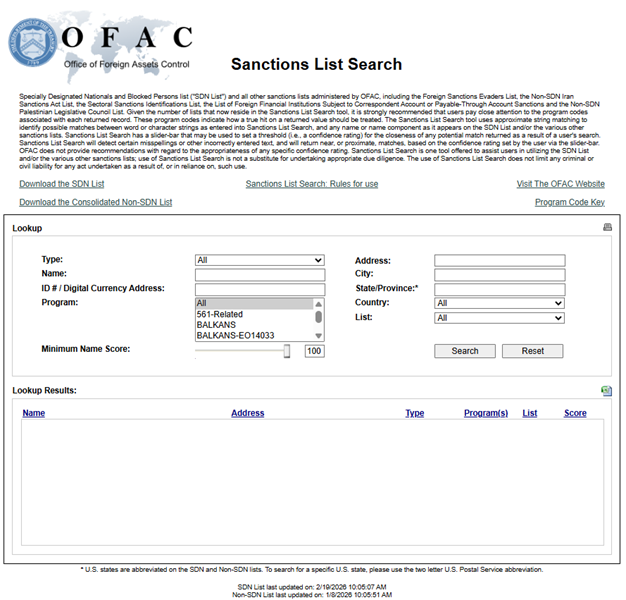
The process of OFAC Delisting (SDN List Removal) OFAC Delisting (SDN List Removal) is crucial for individuals and entities that have been placed on the Specially Designated Nationals (SDN) list. The Office of Foreign Assets Control (OFAC) maintains this list as part of its broader efforts to enforce U.S. economic sanctions. Being listed can have severe implications for affected parties, including restrictions on business activities, travel, and financial transactions. This article delves into the steps toward delisting, the implications of being on the SDN list, and how those affected can seek to regain their standing under U.S. law.
What is the SDN List?
The SDN list comprises individuals, organizations, and countries that the U.S. government has identified as being involved in activities that pose a threat to national security, foreign policy, or economy. The sanctions target various activities including, but not limited to, terrorism, narcotics trafficking, and proliferation of weapons of mass destruction. When a person or entity is placed on this list, it may face significant legal and financial repercussions, including the freezing of assets and an outright ban on doing business with U.S. entities.
Will OFAC Remove a Designation?
OFAC does have the power to remove entities from the SDN list, a process often referred to as delisting. Such removal can occur for various reasons, including a change in circumstances, a reassessment of the designated party’s activities, or due to the successful challenge made by the designated party regarding their status. However, the burden of proof typically falls upon the individual or entity seeking removal, necessitating the provision of substantial evidence that counteracts the reasons for their original designation.

The Delisting Process
To begin the delisting process, an affected party must submit a petition for removal to OFAC. This petition can be complex, requiring legal expertise to ensure that it meets all necessary criteria. The fundamental steps in the delisting process include:
- Gathering Evidence: The first step involves collecting evidence that supports the case for delisting, which may include documentation that demonstrates compliance with U.S. law and a clear change in the circumstances that led to the designation.
- Legal Representation: It is often advisable to seek legal representation experienced in OFAC-related matters. Attorneys can help construct a compelling case, navigate regulatory requirements, and communicate effectively with OFAC.
- Filing the Petition: Once evidence is compiled, the petition can be filed with OFAC. The filing must be thorough and align with OFAC’s expectations, providing a persuasive argument for why the individual or entity should no longer be regarded as a threat.
- Awaiting Response: After submission, OFAC will review the petition and may request additional information. The review process can take time, and there’s no guaranteed timeline for how long it may take to arrive at a decision.
- Potential Outcomes: Upon reviewing the petition, OFAC may either grant or deny the request. If granted, the designation is lifted, and the individual or entity is removed from the SDN list. If denied, further legal avenues may be pursued, potentially including appeals or additional new petitions with stronger evidence.
Legal Considerations for Delisting
The complexities surrounding OFAC delisting require a nuanced understanding of not only the law but also the particular circumstances of each case. Legal representation is critical in ensuring compliance with technical requirements and in presenting a strong and well-documented case. Attorneys specializing in OFAC matters can point out relevant legal standards and precedents that can strengthen a petition.
Implications of Delisting
Successfully removing oneself from the SDN list can have profound implications for affected individuals and entities. Primarily, delisting restores a party’s ability to engage in financial transactions, operate businesses, and travel freely. It allows for the potential resumption of trade relations with U.S. businesses, access to financial markets, and the renewal of professional and personal relationships that may have been interrupted due to the sanctions.
Conclusion
In conclusion, navigating the complexities of the OFAC delisting process can be a daunting task for individuals and businesses impacted by their designation on the SDN list. Understanding the criteria for removal and the steps involved is fundamental for those seeking to restore their standing. Engaging with experienced legal professionals in this area can significantly enhance the likelihood of a successful outcome.
Through diligent preparation, compelling evidence, and expert representation, affected parties can pursue the path toward delisting, ultimately leading to a reinstatement of their rights and opportunities in the global landscape.