
Understanding Sanctions Compliance: Best Practices and Challenges
In today’s globalized economy, businesses are increasingly faced with the need to navigate complex regulatory frameworks, one of the most significant being Sanctions Compliance. Sanctions are restrictive measures imposed by countries or international bodies to influence the behavior of foreign entities. These measures can have profound implications for businesses, their operations, and their reputations. Understanding sanctions compliance is essential for organizations to avoid legal repercussions and maintain ethical standards.
What is Sanctions Compliance?
Sanctions compliance refers to the policies and procedures that organizations implement to ensure adherence to sanctions laws and regulations. These laws can be country-specific or international, affecting a range of activities including trade, investment, and financial transactions. Organizations operating across borders must remain vigilant and proactive in understanding the sanctions regimes that apply to them, as non-compliance can result in hefty fines and damage to reputation.
Types of Sanctions
Sanctions can be classified into several categories, each with different implications for compliance:
- Economic Sanctions: These include trade barriers, tariffs, and restrictions on financial transactions. Organizations may be prohibited from dealing with specific countries or entities.
- Military Sanctions: These restrict the export of weapons and military technology to certain nations or groups.
- Travel Sanctions: Individuals associated with targeted countries or organizations may be banned from entering specific nations.
- Sectoral Sanctions: These target specific sectors of the economy, such as finance or energy, and may restrict access to financing or technology.
The Importance of Sanctions Compliance
Compliance with sanctions is critical for several reasons:
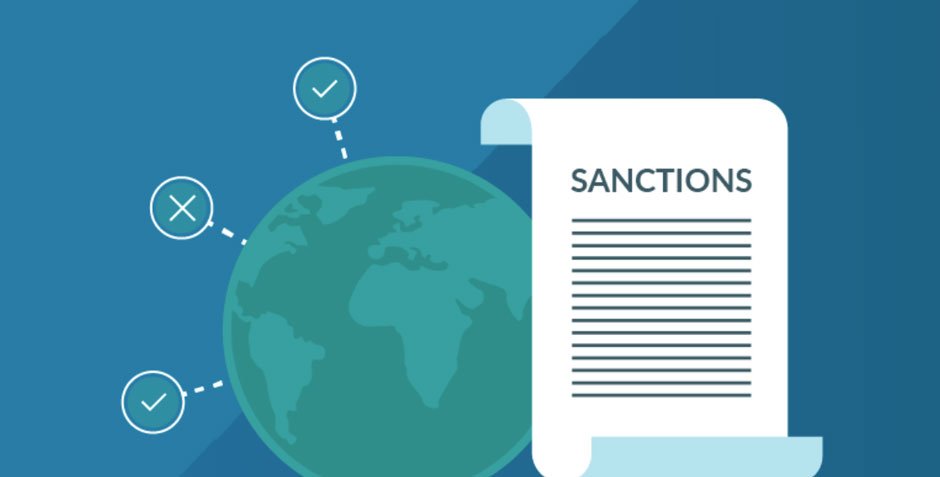
- Legal Risk Mitigation: Non-compliance can lead to significant legal penalties, including fines and sanctions against individuals and businesses.
- Reputational Integrity: Public perception can be severely impacted by sanctions violations, leading to loss of customer trust and potential business opportunities.
- Operational Continuity: Ensuring compliance helps maintain uninterrupted operations, especially for organizations that rely on global trade.
- Ethical Responsibility: Companies are increasingly being held accountable for the ethical implications of their business dealings, necessitating a commitment to compliance.
Challenges in Sanctions Compliance
While the importance of sanctions compliance is clear, the path to achieving it is fraught with challenges:
- Complexity of Regulations: The legal landscape is constantly evolving, with frequent updates to sanctions lists and associated regulations that require constant monitoring.
- Diverse Jurisdictions: Organizations operating in multiple countries face the challenge of navigating different sanctions regimes, which may not always align.
- Integration of Compliance Systems: Many businesses struggle to integrate sanctions compliance into their existing systems, such as customer relationship management (CRM) and supply chain management.
- Human Error: Manual screening processes are susceptible to errors, which can lead to inadvertent violations.
Best Practices for Sanctions Compliance
To mitigate the risks associated with sanctions compliance, organizations should consider implementing the following best practices:
- Establish a Compliance Program: Develop a comprehensive sanctions compliance program that outlines policies, procedures, and responsibilities within the organization.
- Continuous Training: Regular training for employees on sanctions regulations and compliance protocols is essential for fostering awareness and vigilance.
- Leverage Technology: Utilize software solutions that automate screening processes against sanctions lists to minimize human error and enhance efficiency.
- Conduct Regular Audits: Regularly review and audit compliance programs to identify areas for improvement and ensure alignment with current regulations.
- Engage Legal Experts: Consult with legal professionals specializing in sanctions law to navigate complex regulatory environments effectively.
Conclusion
Sanctions compliance is more than a legal obligation; it is a critical component of responsible and ethical business practices in the global marketplace. Organizations that prioritize compliance not only protect themselves from legal risks but also enhance their reputation and operational success. By understanding the complexity of sanctions, recognizing the challenges involved, and implementing best practices, businesses can navigate the treacherous waters of international regulation with confidence and integrity.